
Research

How people move, and what that does to joints.

Osteoarthritis affects more than 600 million people; the knee is the joint we see most. We use markered and markerless motion capture, force platforms, wearable sensors, UF’s HiPerGator, and machine learning to look at the time-varying, multidimensional loads a body actually experiences — in the lab and outside it.

01

Knee osteoarthritis

Who gets worse, and what in their movement we could have seen coming.

Osteoarthritis affects more than 600 million people; the knee is the joint that shows up most often. We look at risk factors for progression using accelerometer data, ground-reaction-force waveforms, and the rest of the messy, time-varying load a joint sees in ordinary life — not a single peak moment on a force plate. The MOST cohort (~4,000 people) is one backbone. Florida Moves and the pain-flares study are how we take that question out of the archive and into Gainesville.

  • Pain flares
  • Florida Moves (FLoMo)
  • MOST
  • Shared Strides
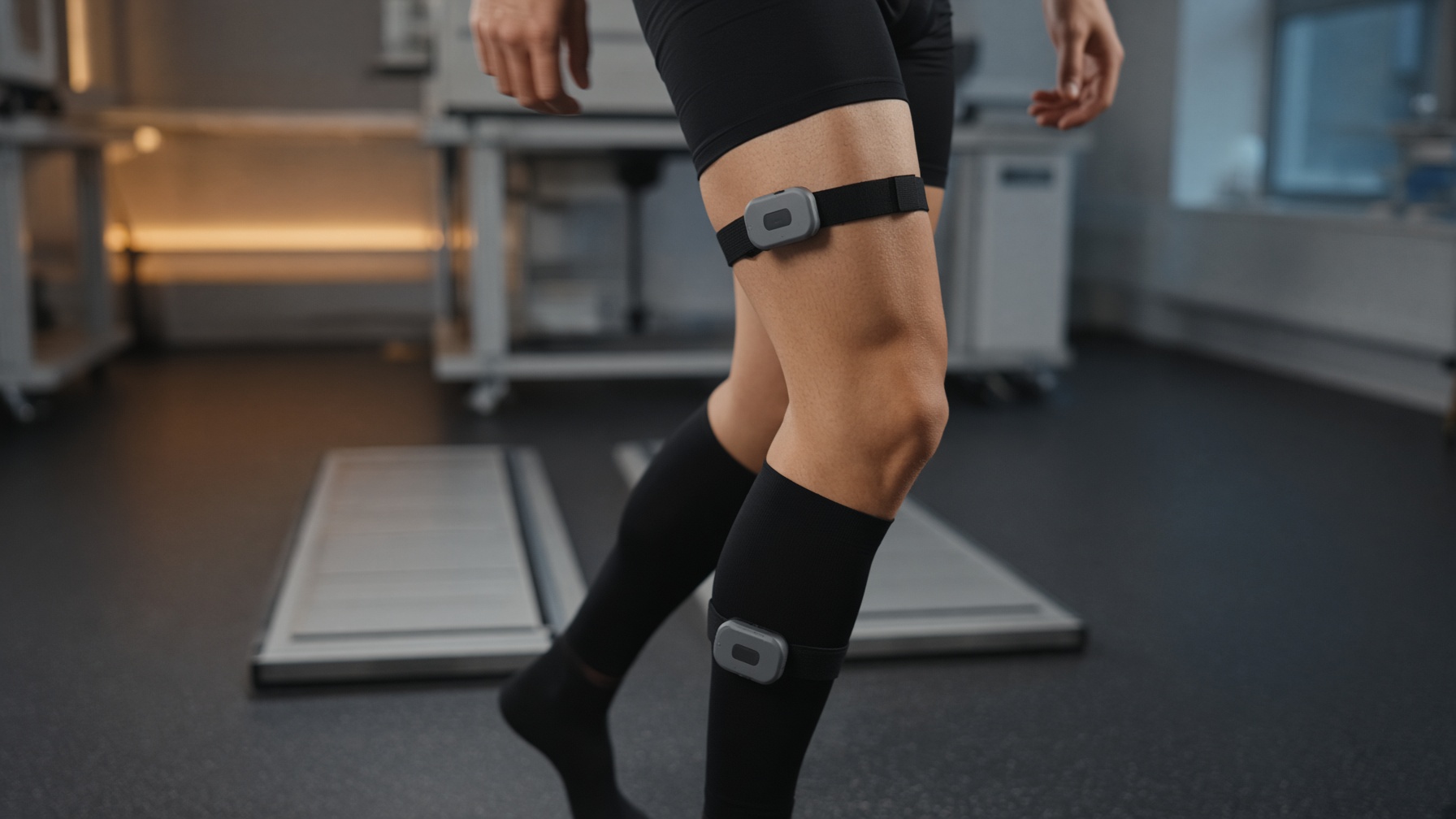
Wireless IMU sensors on a participant during overground walking

02

Life after joint replacement

There is still no uniform rule for going back to yoga after a hip.

We study how people actually move after total hip arthroplasty — functional tasks, not only a 10-meter walk. A current line of work validates markerless capture during yoga poses (more comfortable than a full marker set, if it is accurate enough to trust) and, with Dr. Simon Mears, quantifies lower-limb angles in post-THA patients versus controls. The output we want is a guideline a surgeon can hand someone, not a conference figure.

  • Yoga validation
  • Hip motion post-THA
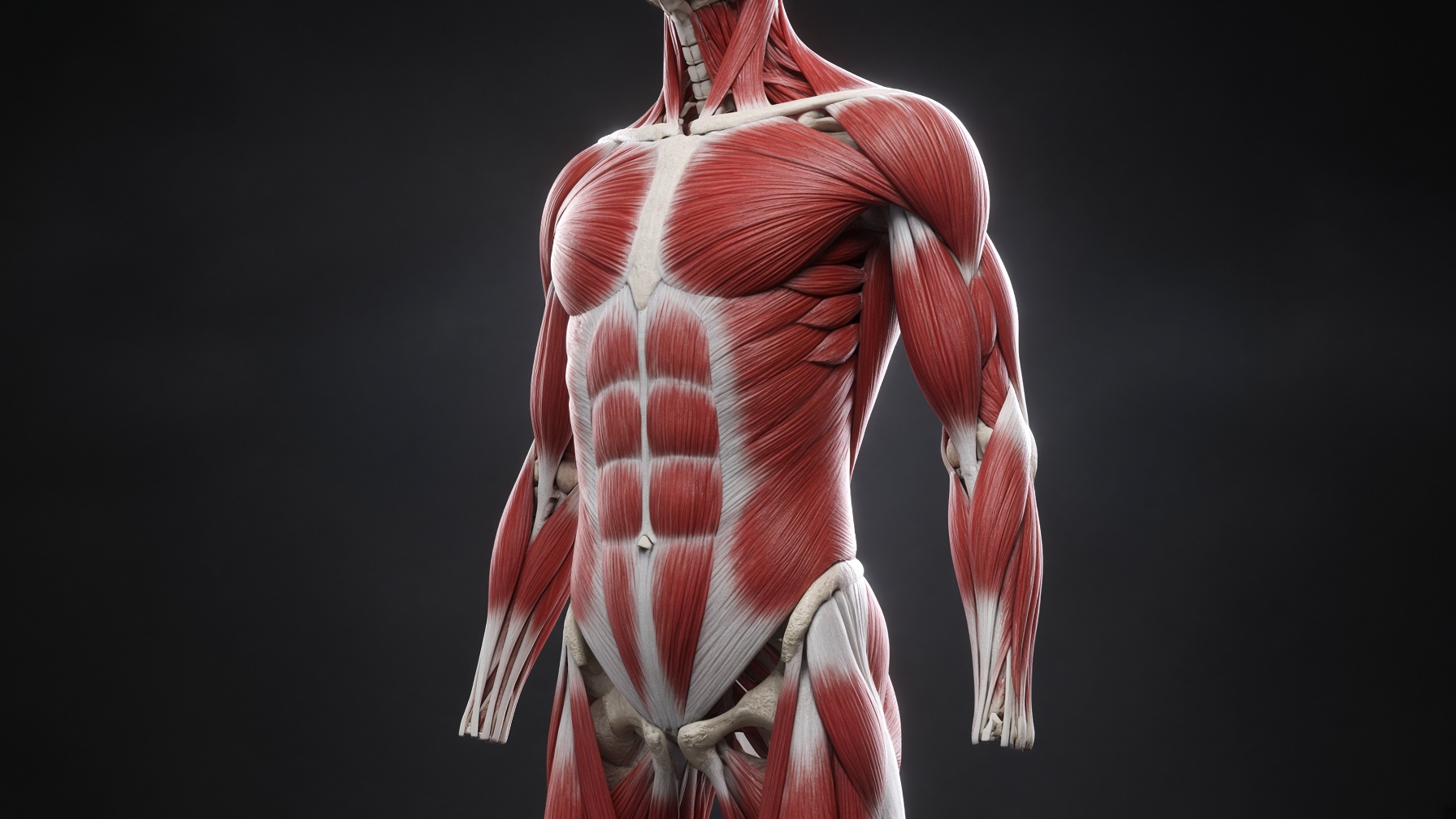
Musculoskeletal model of the lower limb used to study joint loading

03

Sports biomechanics, before OA

The loads that make a swing powerful are also the loads a joint has to live with.

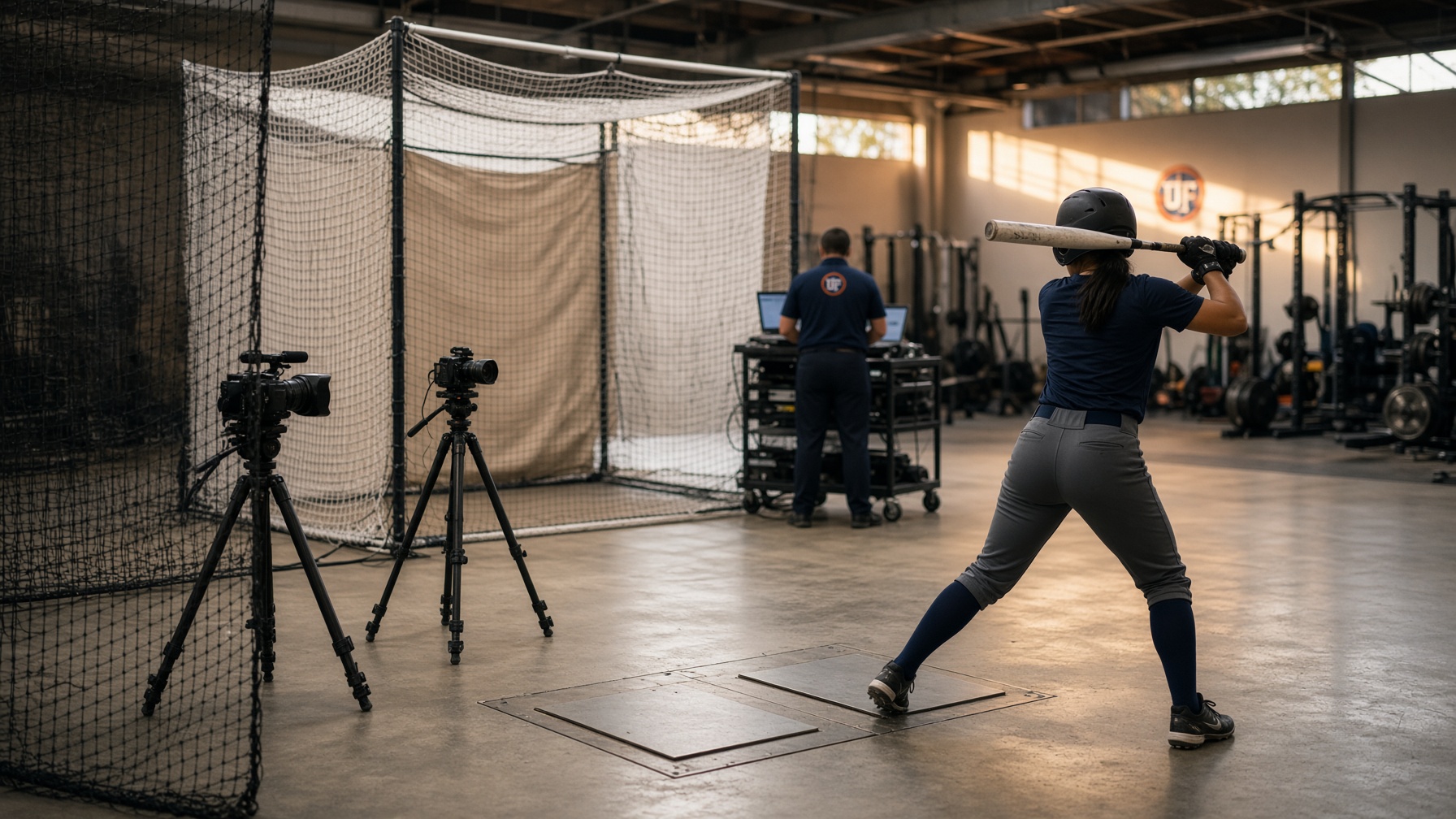
Pre-OA work in the lab is about athletic performance with a long horizon: identify movement patterns that raise injury risk now and joint disease later. The softball swing project, with UF Softball and Strength & Conditioning, ties force-plate production in the weight room to swing metrics in the cage so a player gets an individual power projection — and we get a cleaner picture of what the lower limb is doing.

  • Softball swing analysis
Force-plate and high-speed camera setup for softball swing analysis

04

Capture, sensors, and learning

Markered when we need the gold standard. Markerless and wearable when the person will not come to MAE-B.

The methods stack is not a side project. We run a 20-camera Vicon system and AMTI plates in MAE-B, a portable eight-camera markerless kit, IMUs, EMG, and UF’s HiPerGator for the learning work. Shared Strides asked whether community-based, video-based capture can match the lab closely enough to widen who we can study. If a method only works on a 22-year-old in spandex, it is not a method we will ship.

  • Markerless vs. marker-based
  • Wearable sensing
  • HiPerGator ML
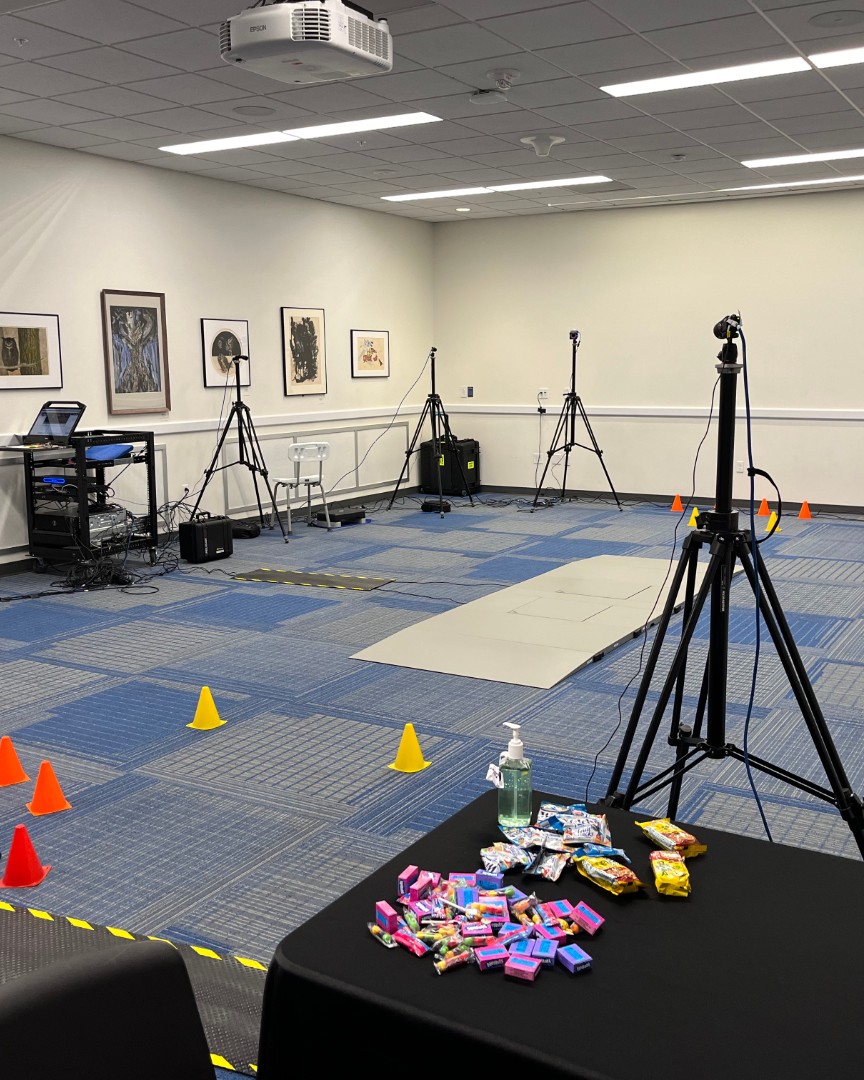
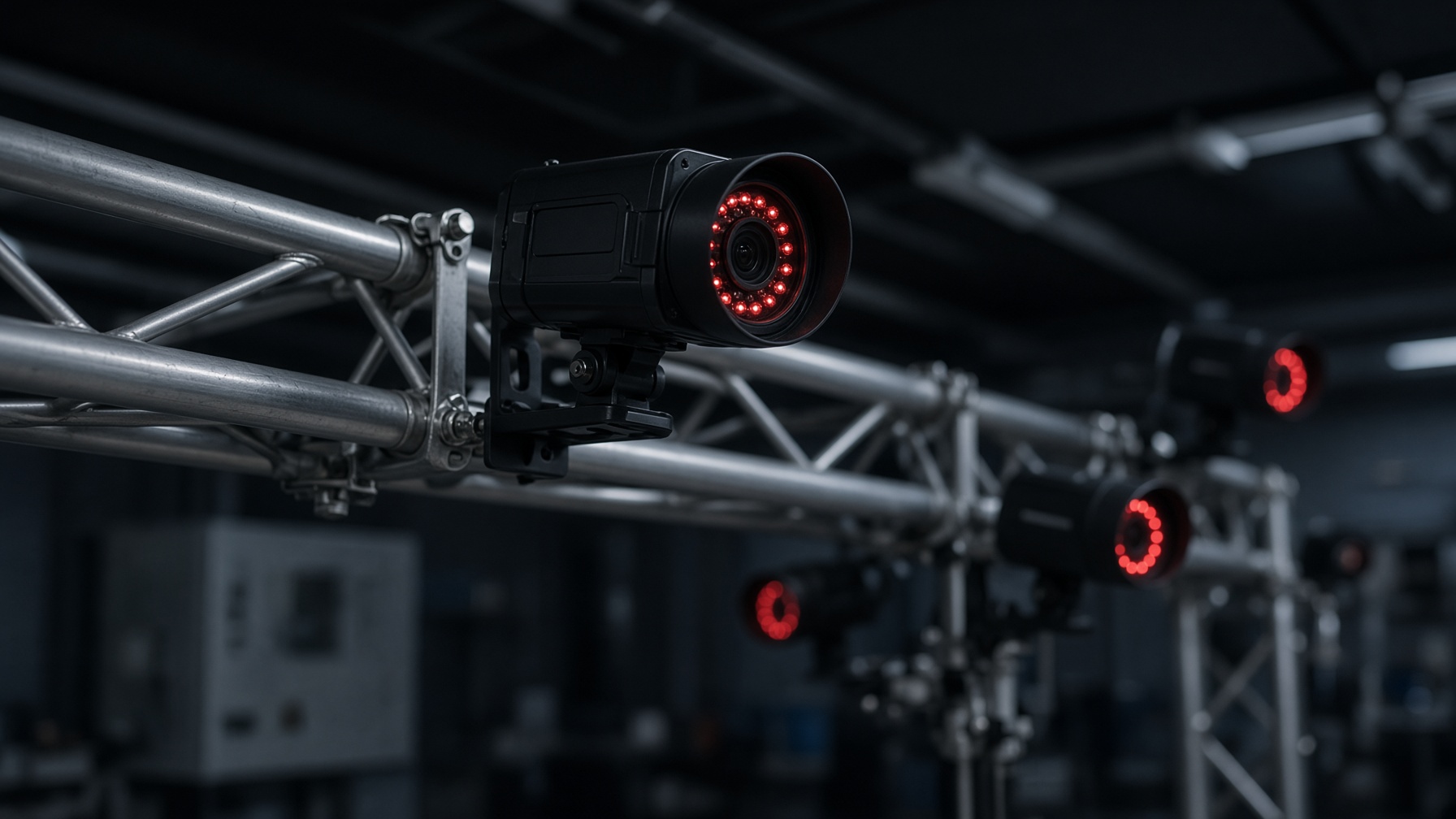
Optical motion-capture cameras mounted above a biomechanics laboratory

Facilities

MAE-B for capture. Wertheim for compute.

MAE-B motion lab

Mechanical & Aerospace Engineering B

954 sq ft opened summer 2023. Co-led with Dr. Jessica Allen and Dr. Scott Banks. This is where the cameras, plates, and treadmill live.

  • 20-camera Vicon (marker-based)
  • Portable 8-camera markerless kit (FLIR / Vicon)
  • Three AMTI force platforms
  • Bertec split-belt instrumented treadmill

Miller Orthopaedic Biomechanics Lab

Herbert Wertheim Laboratory for Engineering Excellence

The computational side: 800 sq ft, 22+ workstations, and a 400 sq ft fabrication room for sensors and fixtures. Dr. Costello’s office is Wertheim 482.

  • 22+ analysis workstations
  • Fabrication room
  • HiPerGator access
  • Up to 22 students / fellows

Code and open tools live on GitHub. Portable AMTI plates, IMUs, EMG, and a four-cart field kit travel with the studies that will not come to campus.

Join a project

We recruit participants year-round and students on a semester cycle. Doctoral openings depend on funding. Write Dr. Costello with a CV and a specific overlap — knee OA, markerless capture, wearables, or post-surgical biomechanics.